sthira
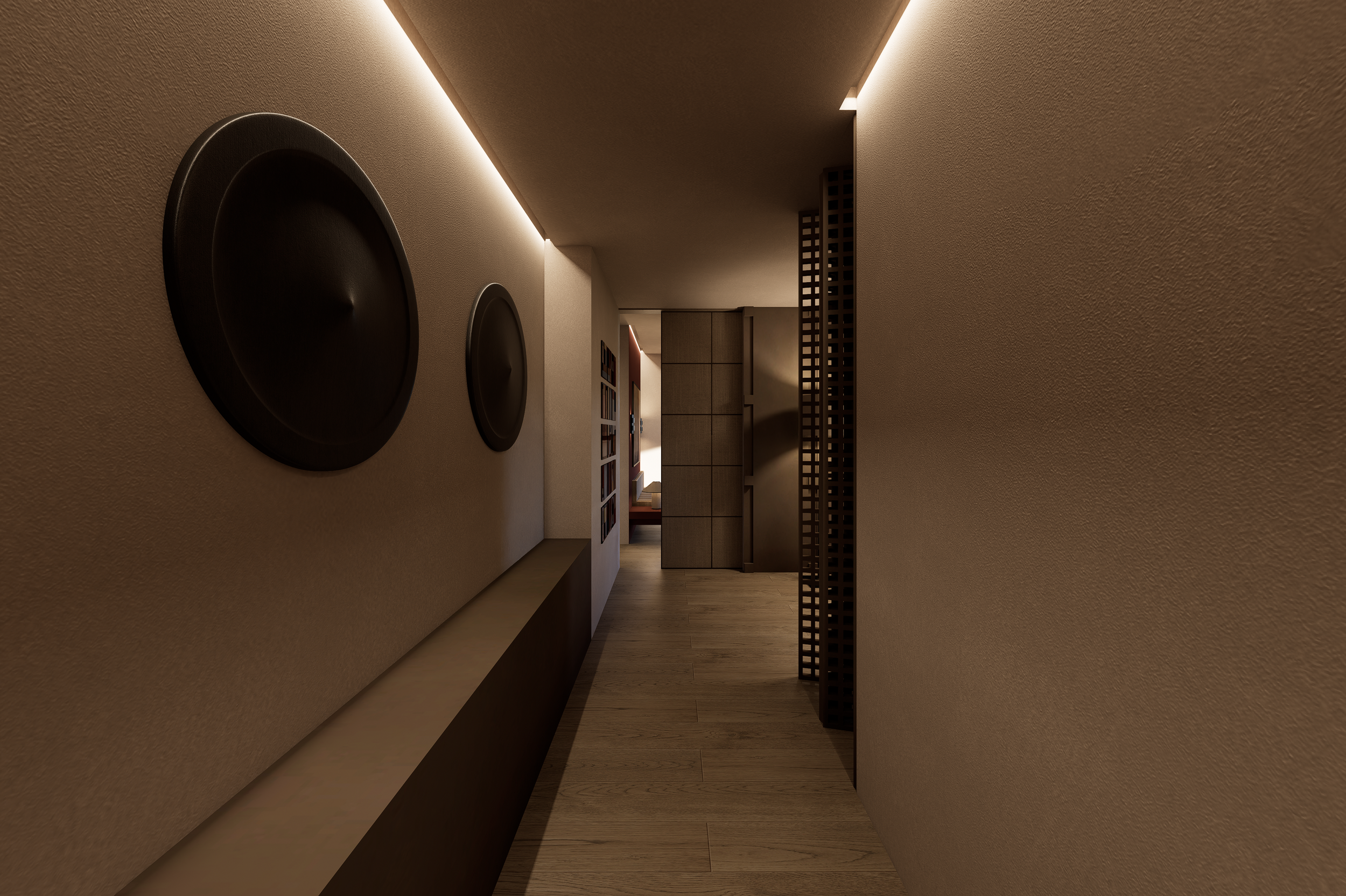
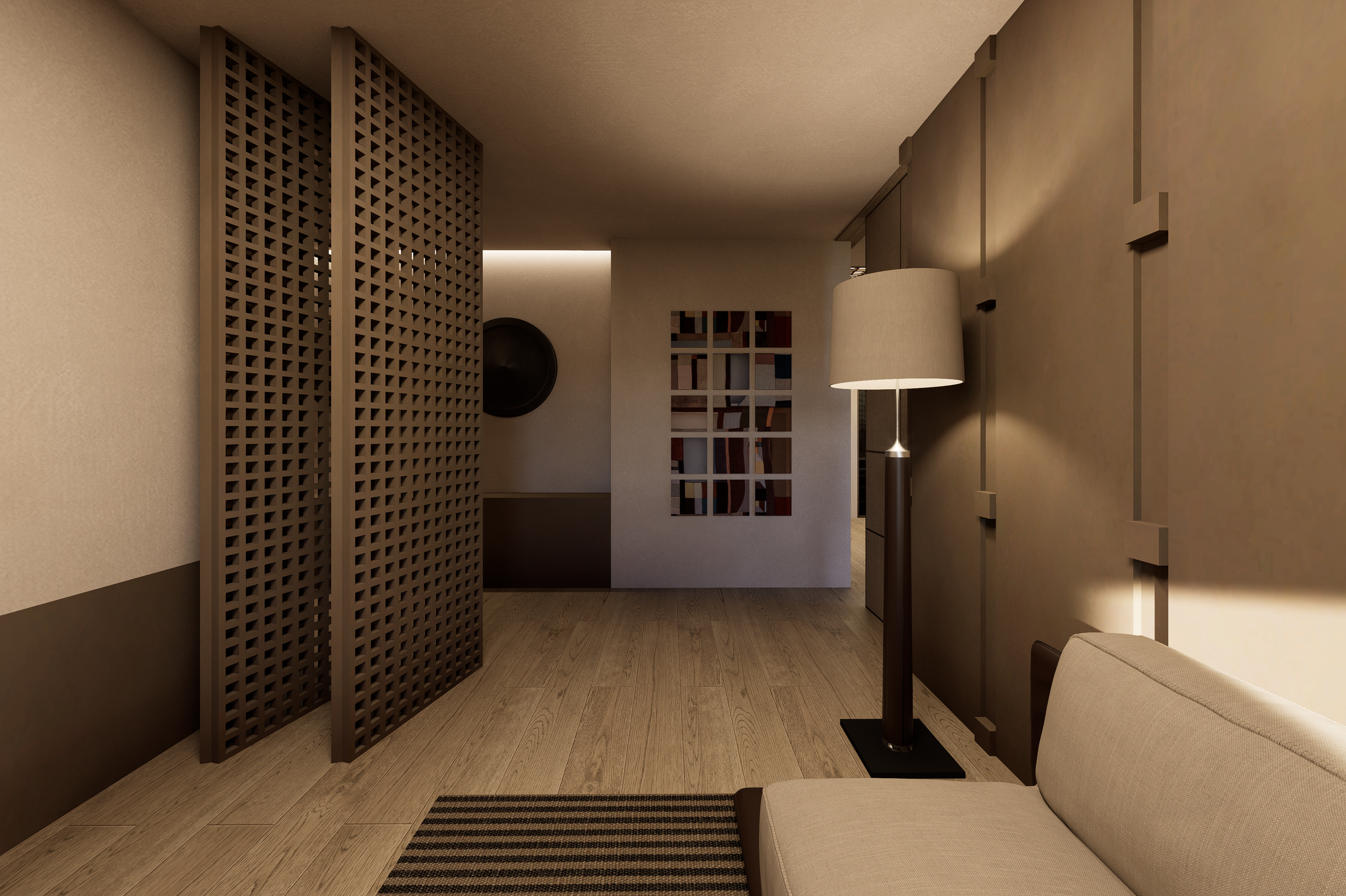
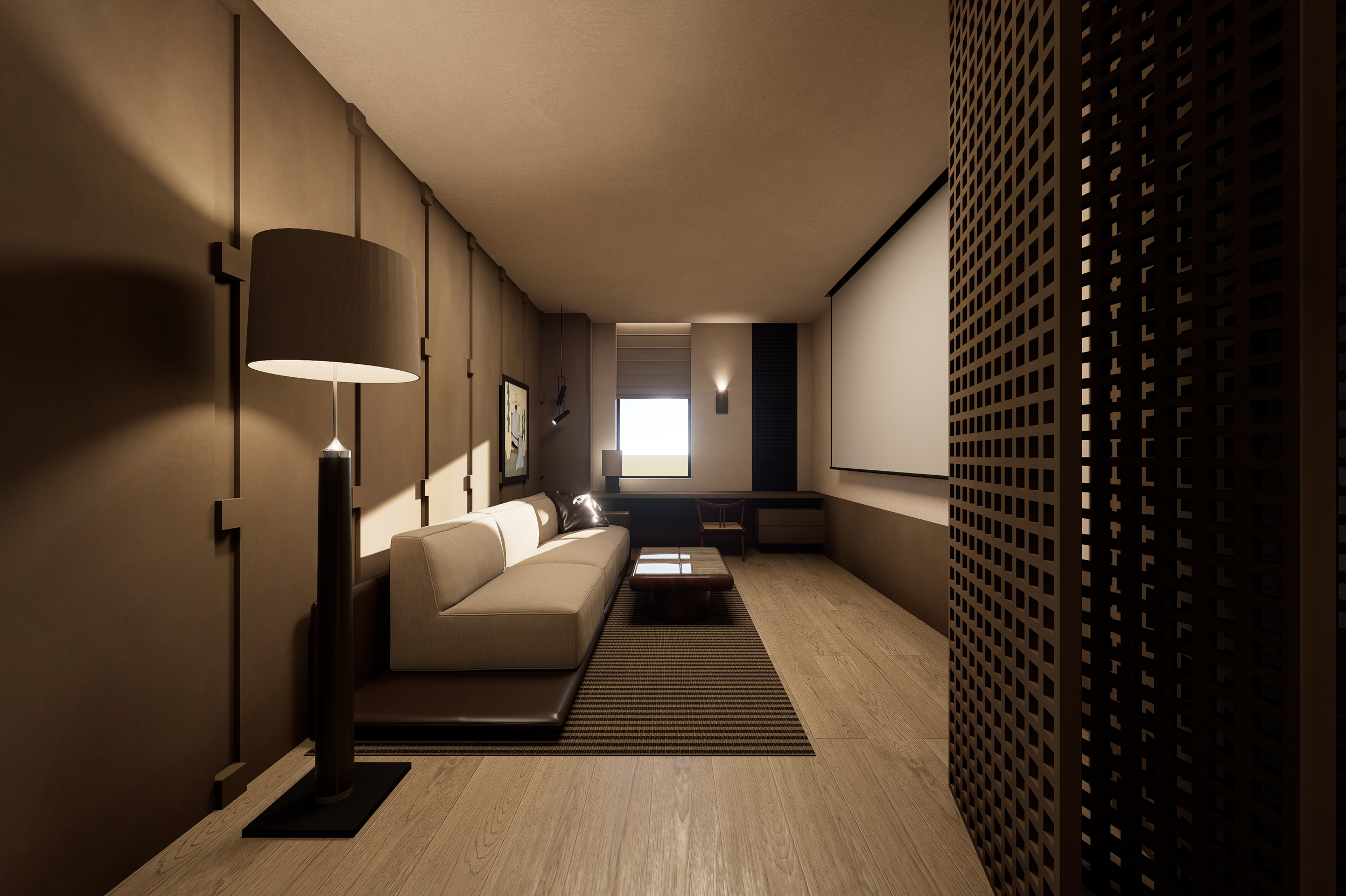
Sthira reflects the essential nature of this home. It is a house designed to feel anchored and composed, where spaces do not compete for attention but exist with quietconfidence. The architecture is not driven by spectacle or constant openness, but by a sense ofstability and calm that settles into daily life. The home is organised to feel emotionally steady. Spaces are held, weighted and intentional.
Movement is slow. Transitions are clear. The house does not rush or overwhelm. It remains composed.
-
3600 SQFT
-
Residential, Apartment, Interiors
-
Guwahati, Assam, India
challenges
The original apartment presented two fundamental challenges.
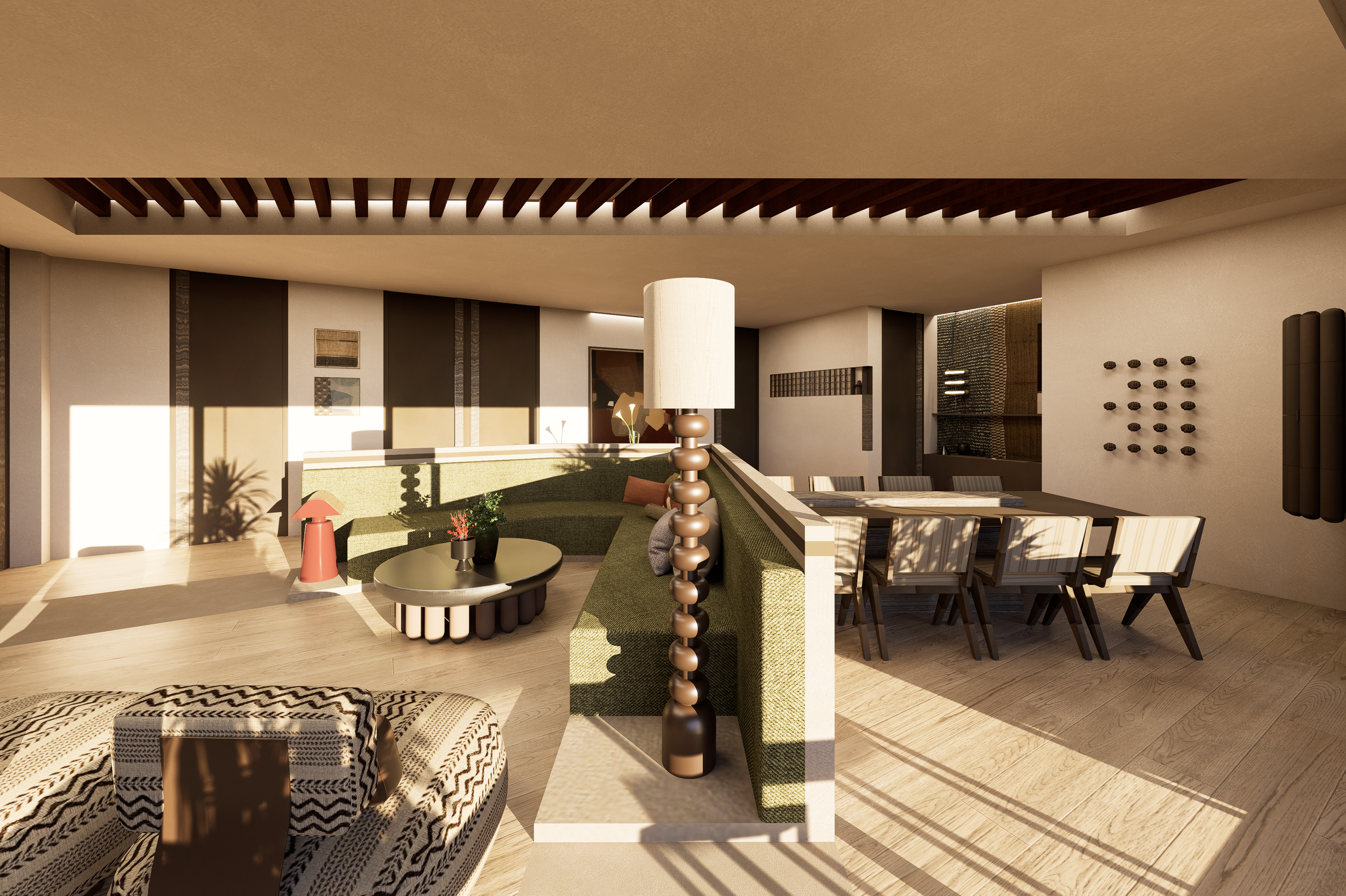
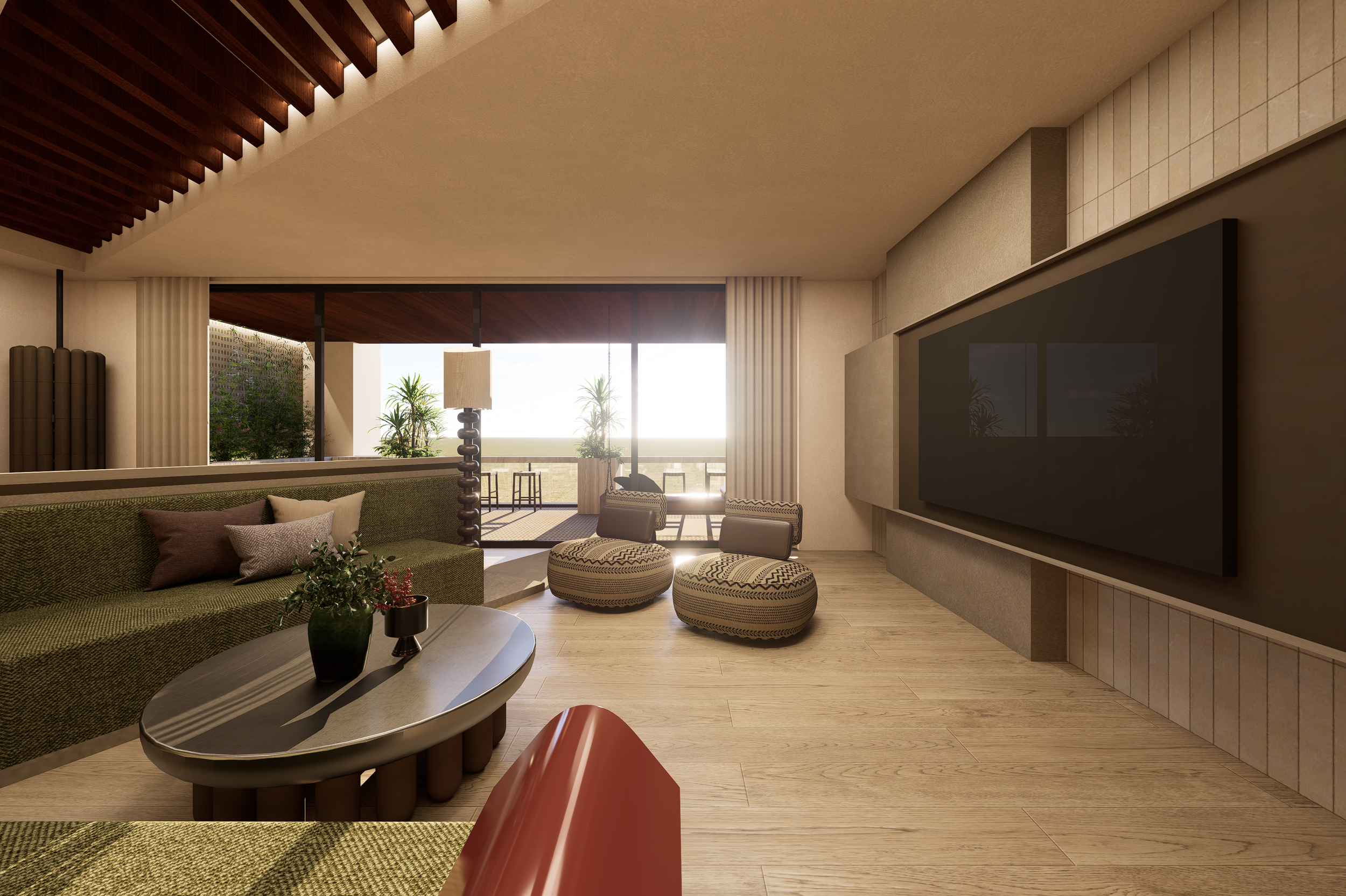
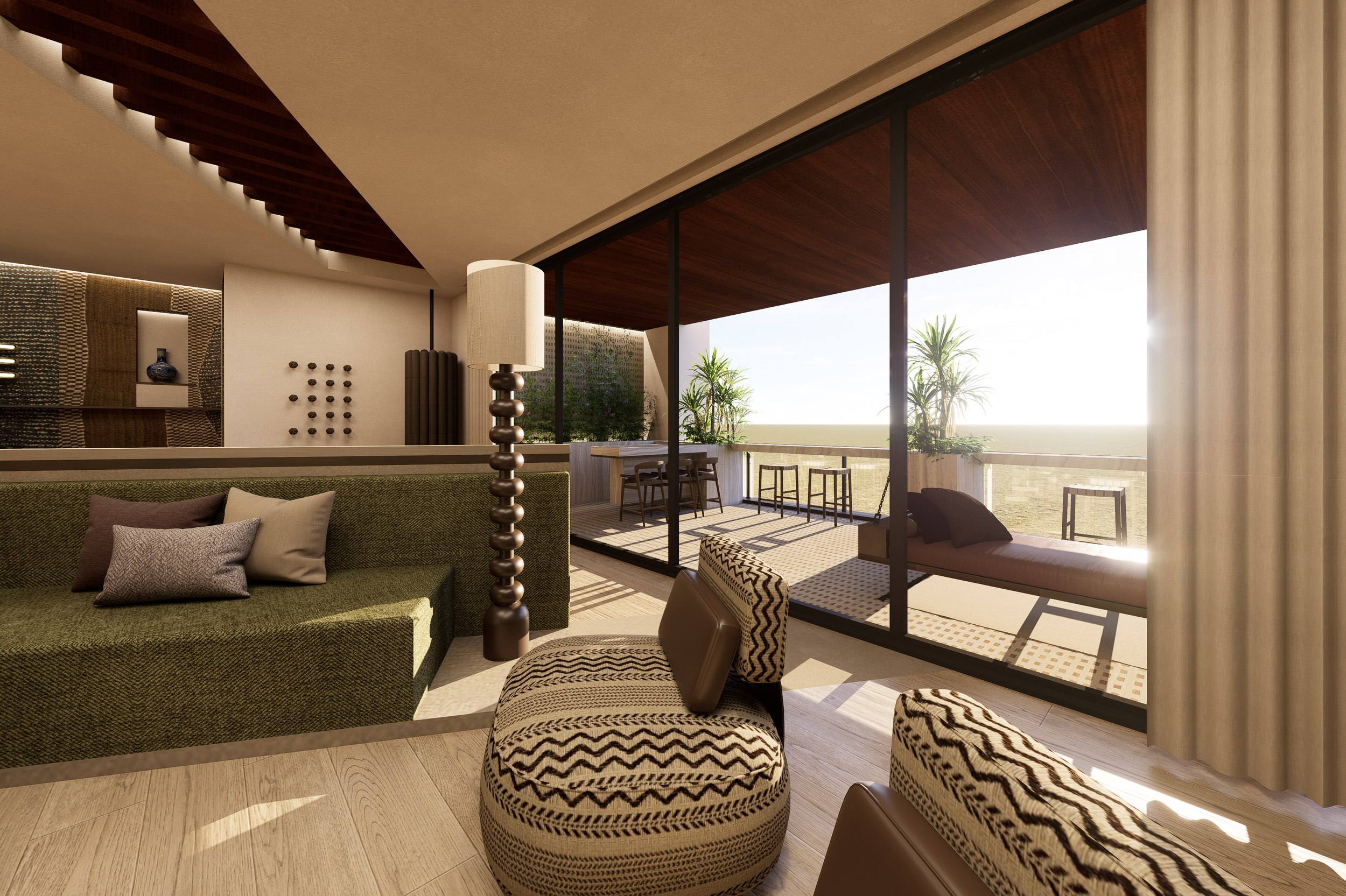
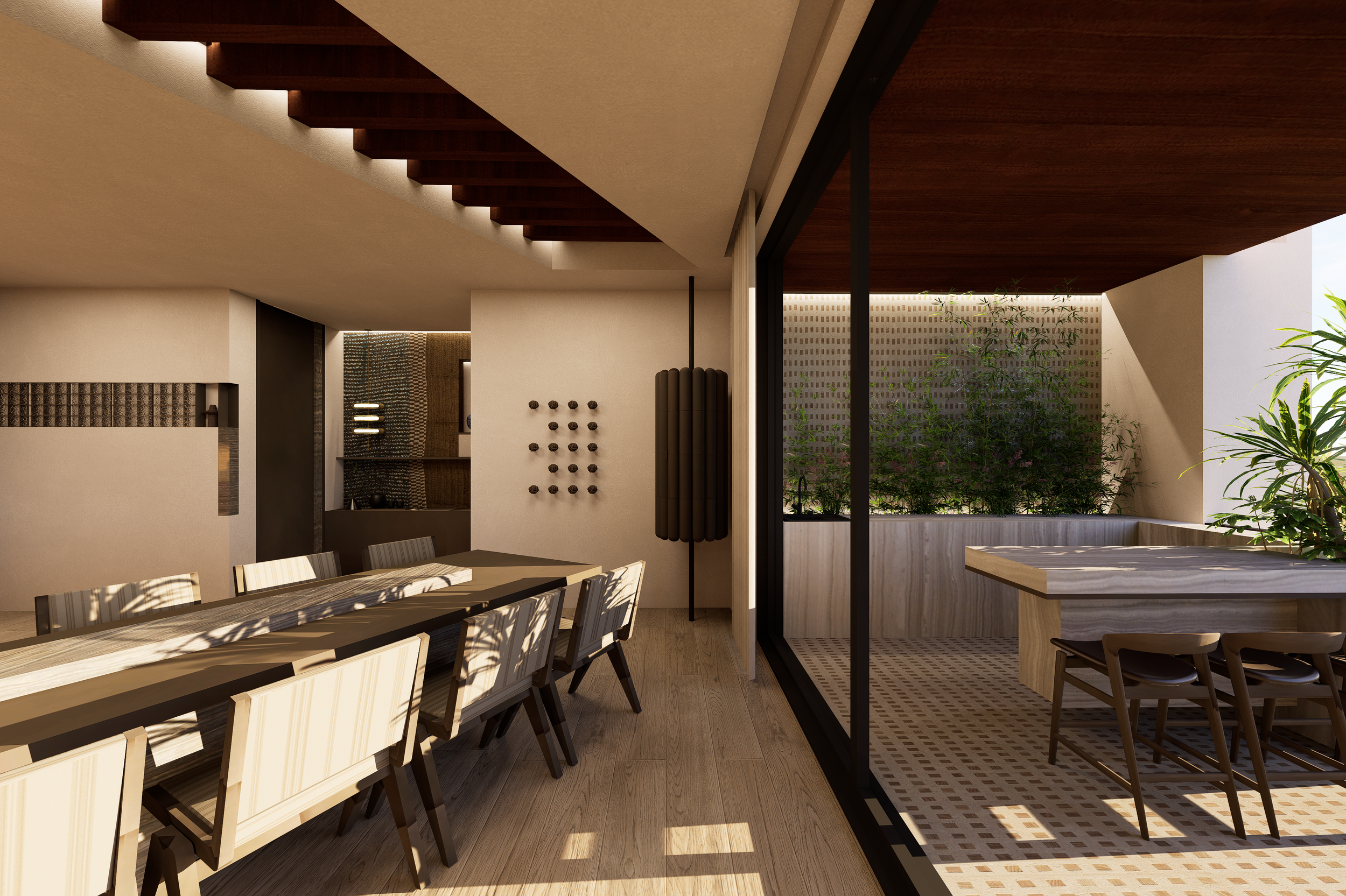
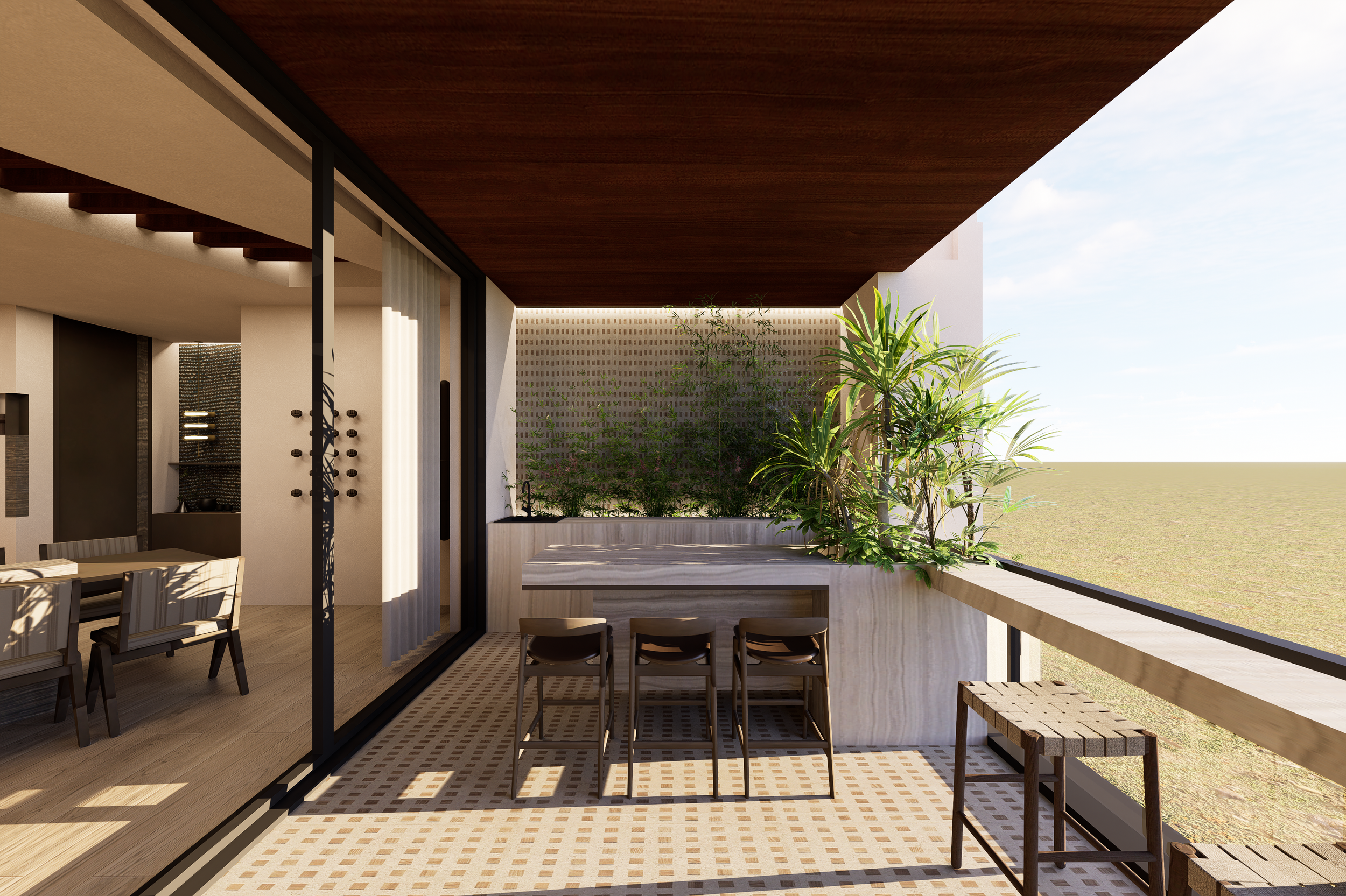
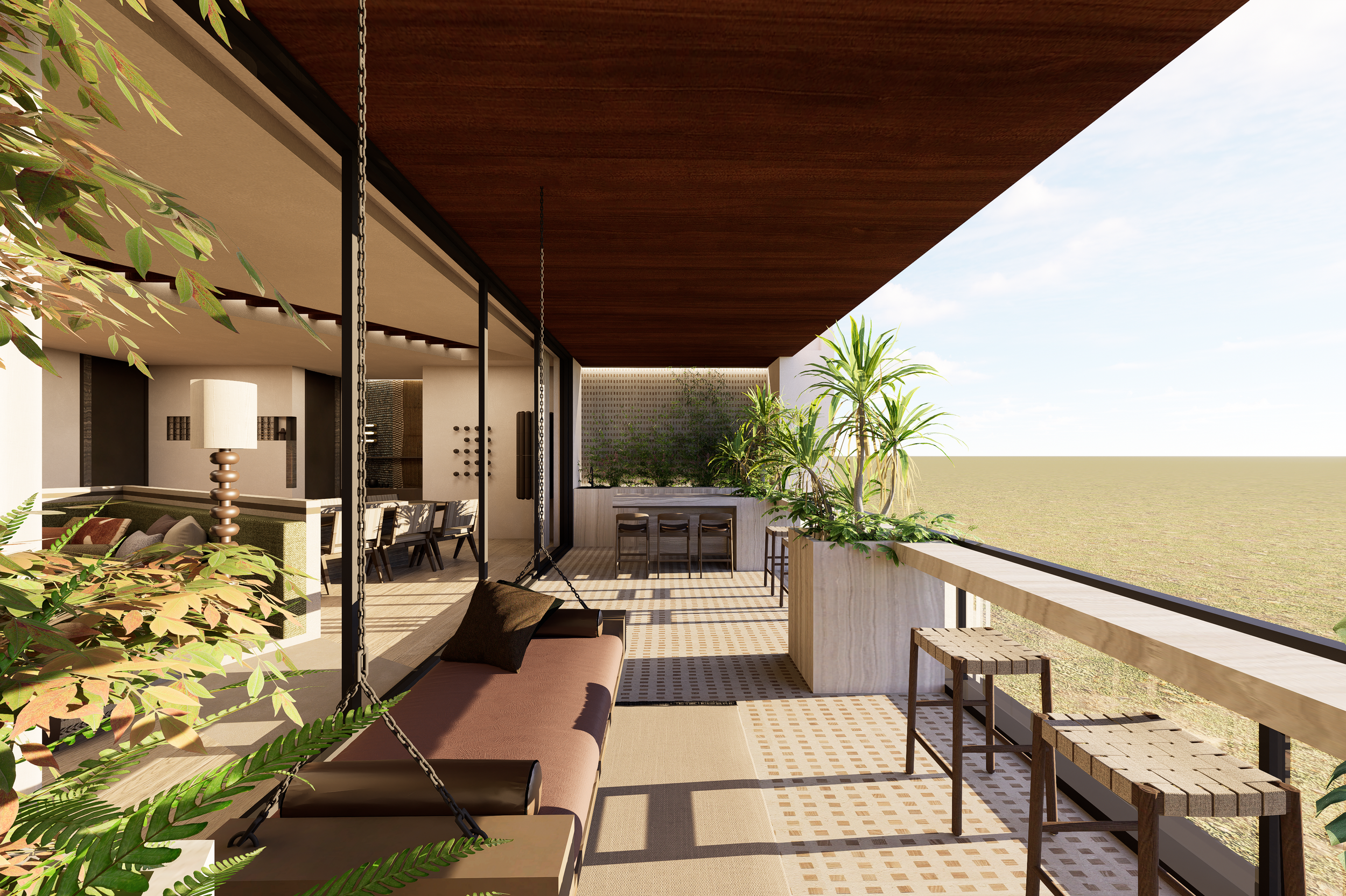
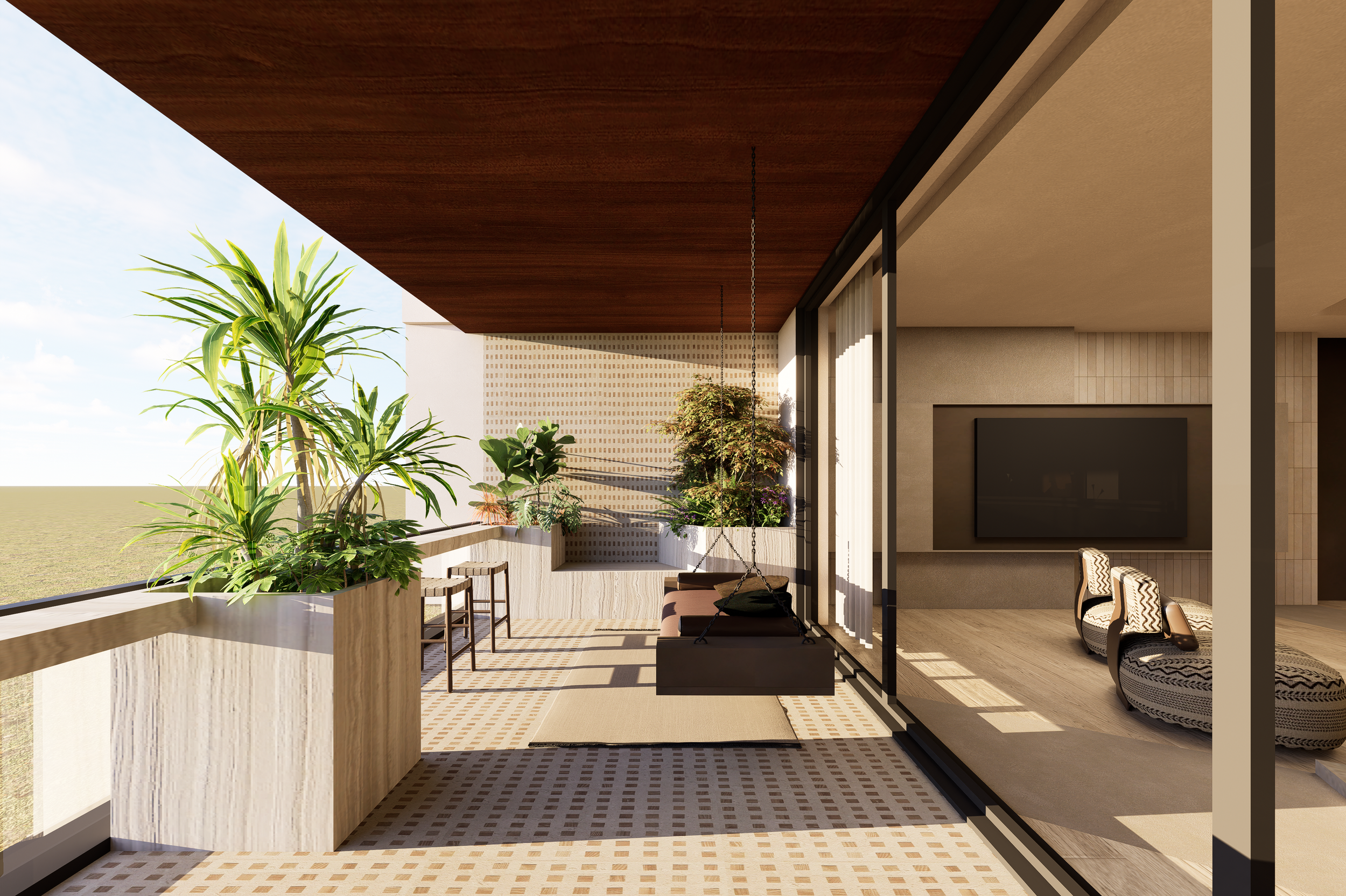
First, the central living, dining and terrace zone existed as a large but undefined square. While spatially generous, it lacked order and hierarchy. Living, dining and circulation overlapped continuously, resulting in a space that felt open but unresolved.
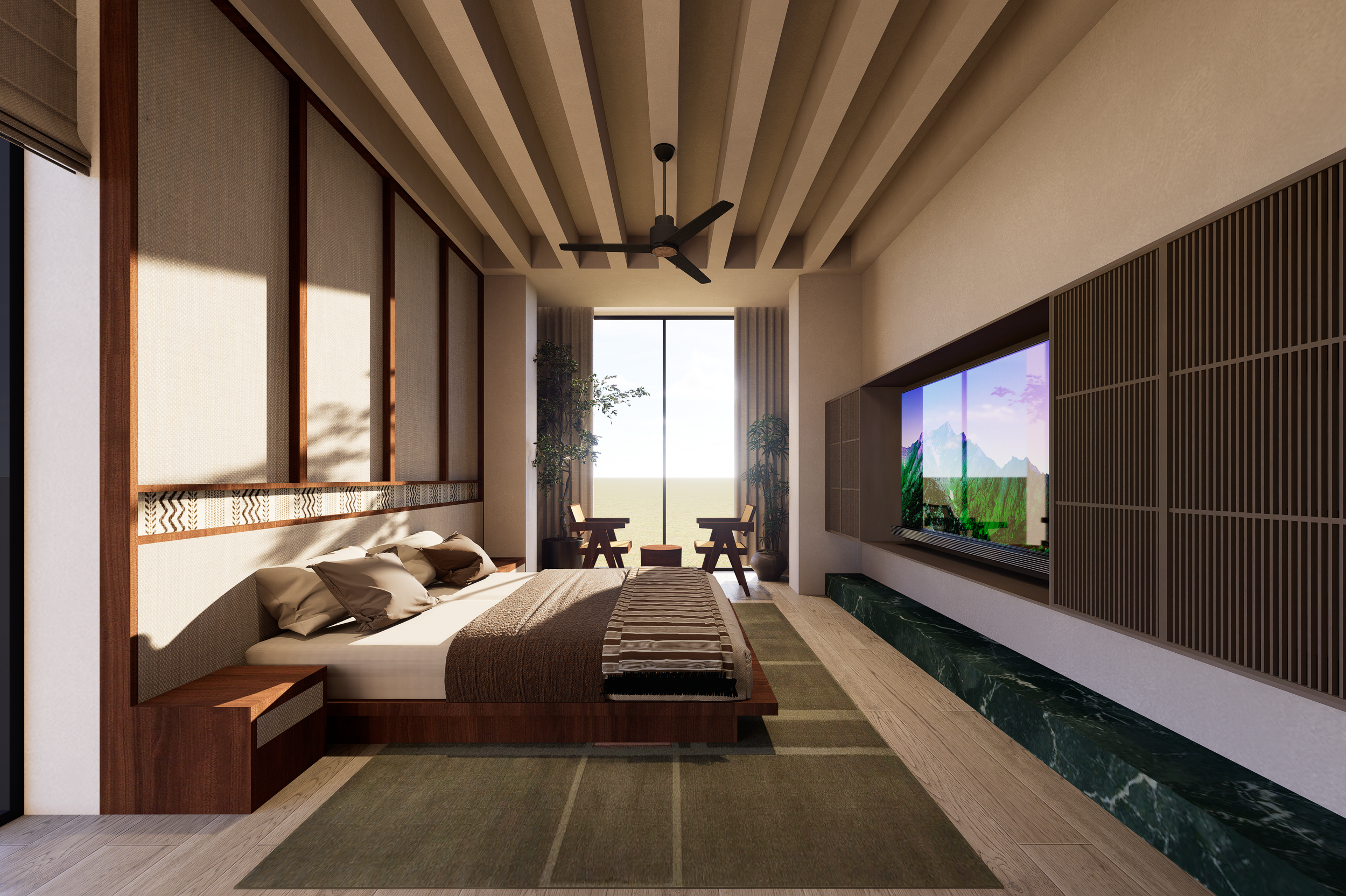
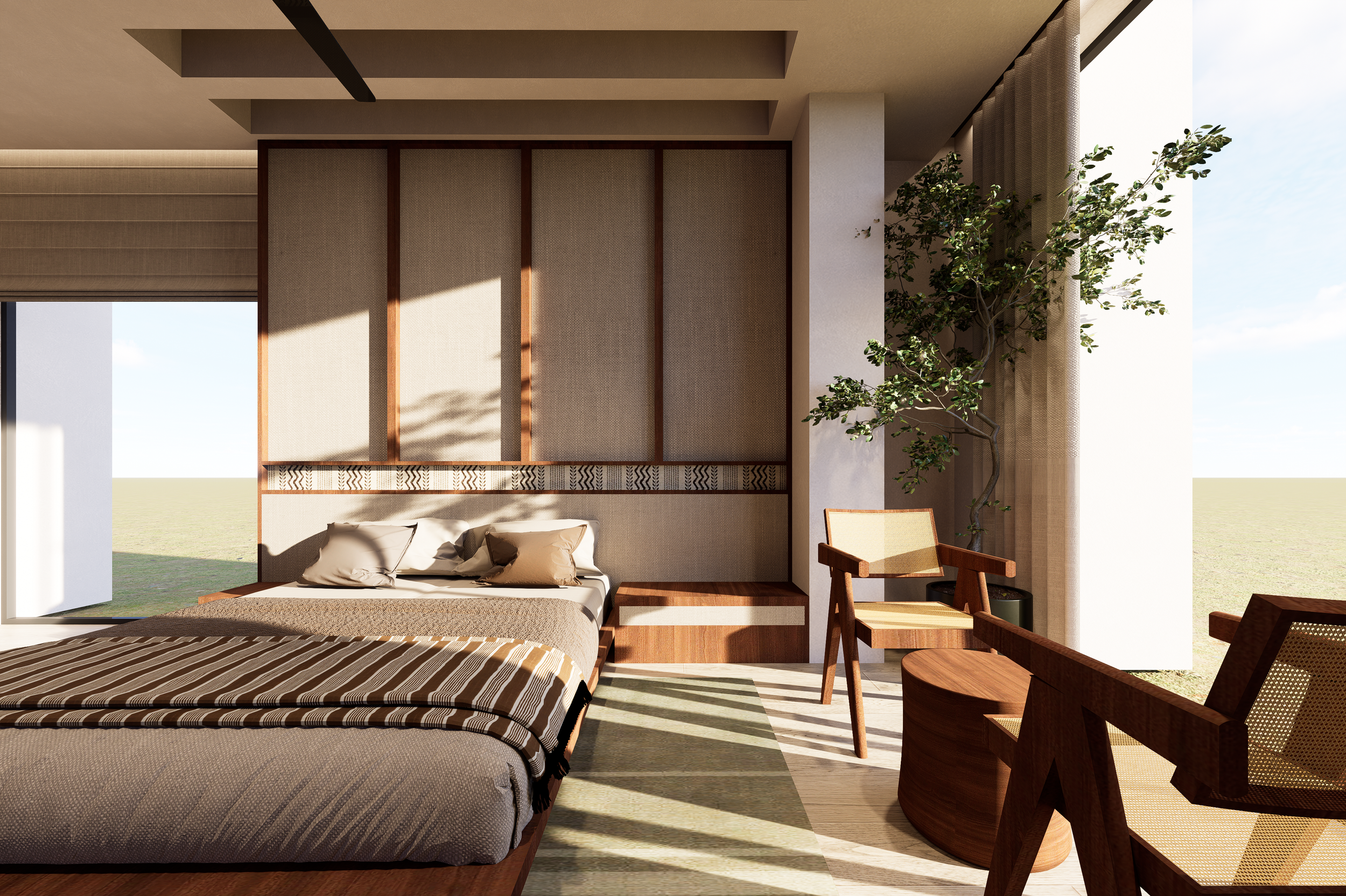
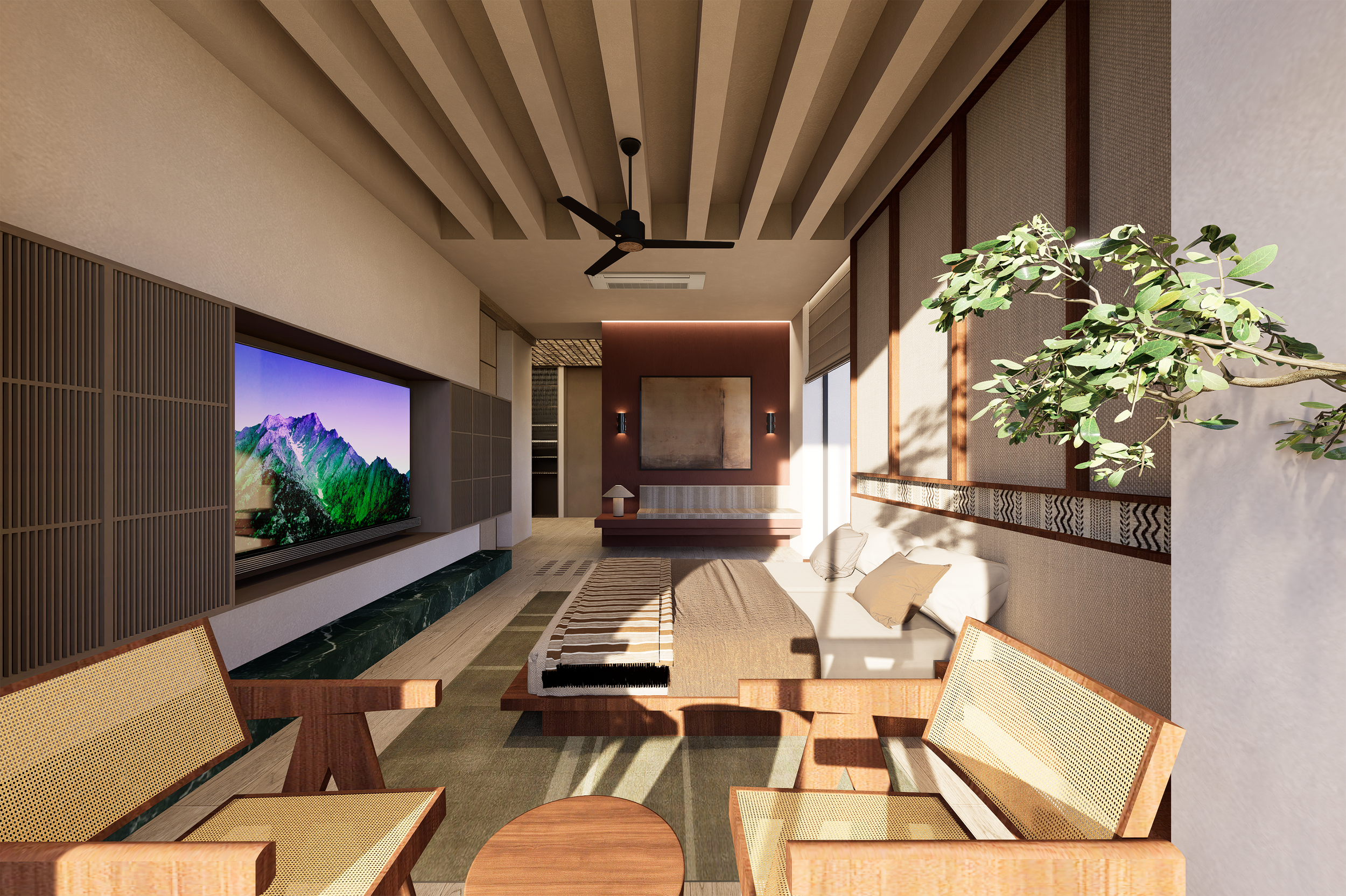
Second, the master bedroom was one of four identical rooms. It functioned purely as a sleeping space, offering no sense of retreat or personal territory. It did not reflect how the occupants live, work or unwind. The apartment had an area, but it lacked grounding and personality
Instead of approaching the design through room counts or furniture placement, the process began with a more fundamental question:
How can this home feel calm, stable and resolved in everyday use?
The answer was clear. The house needed a composed social centre and deeply anchored private spaces. Not visual openness everywhere. Not equal treatment of all rooms. But clarity of role and stability of experience.
DESIGN SEQUENCE
Step One – Creating a Private World
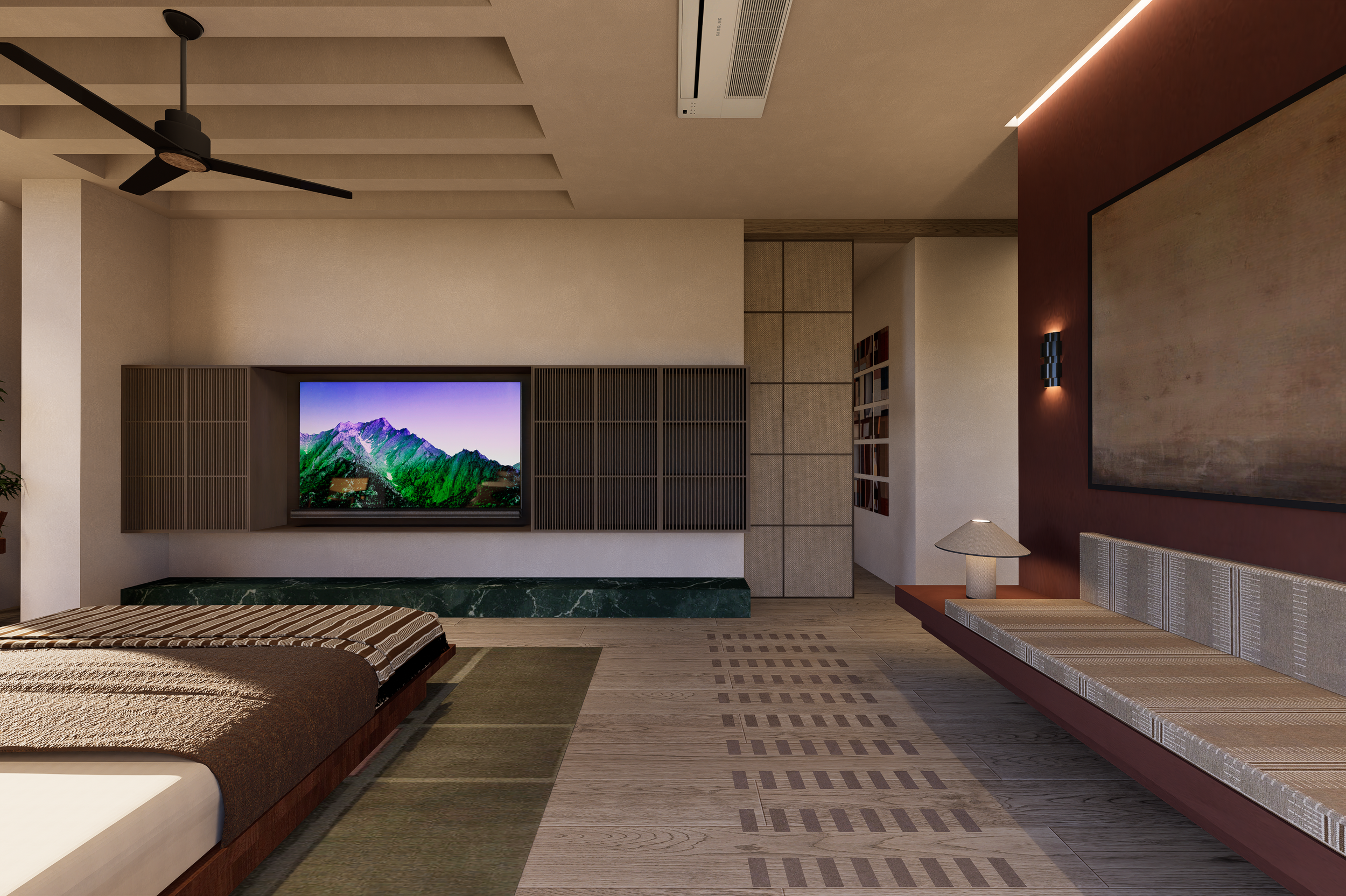
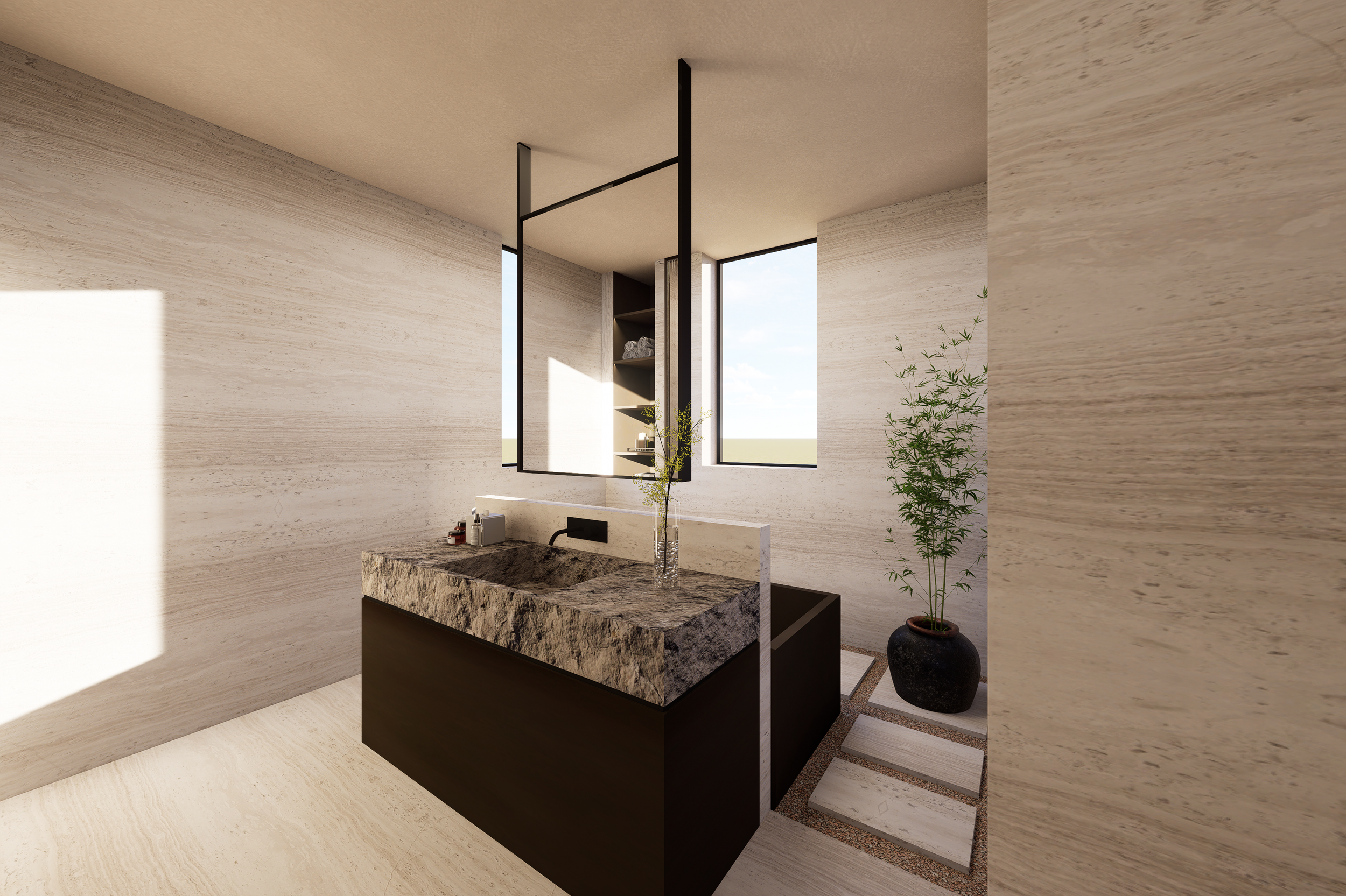
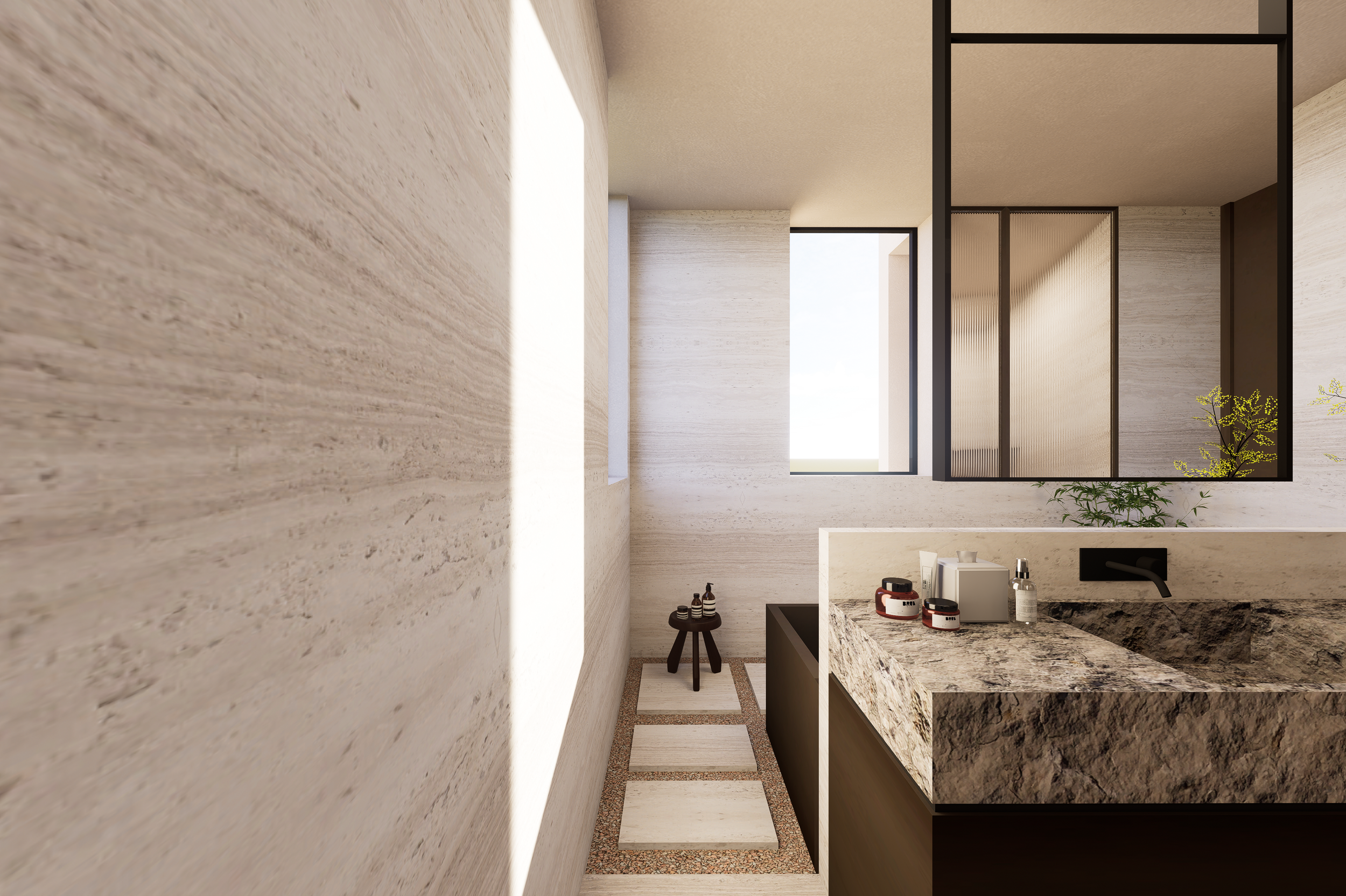
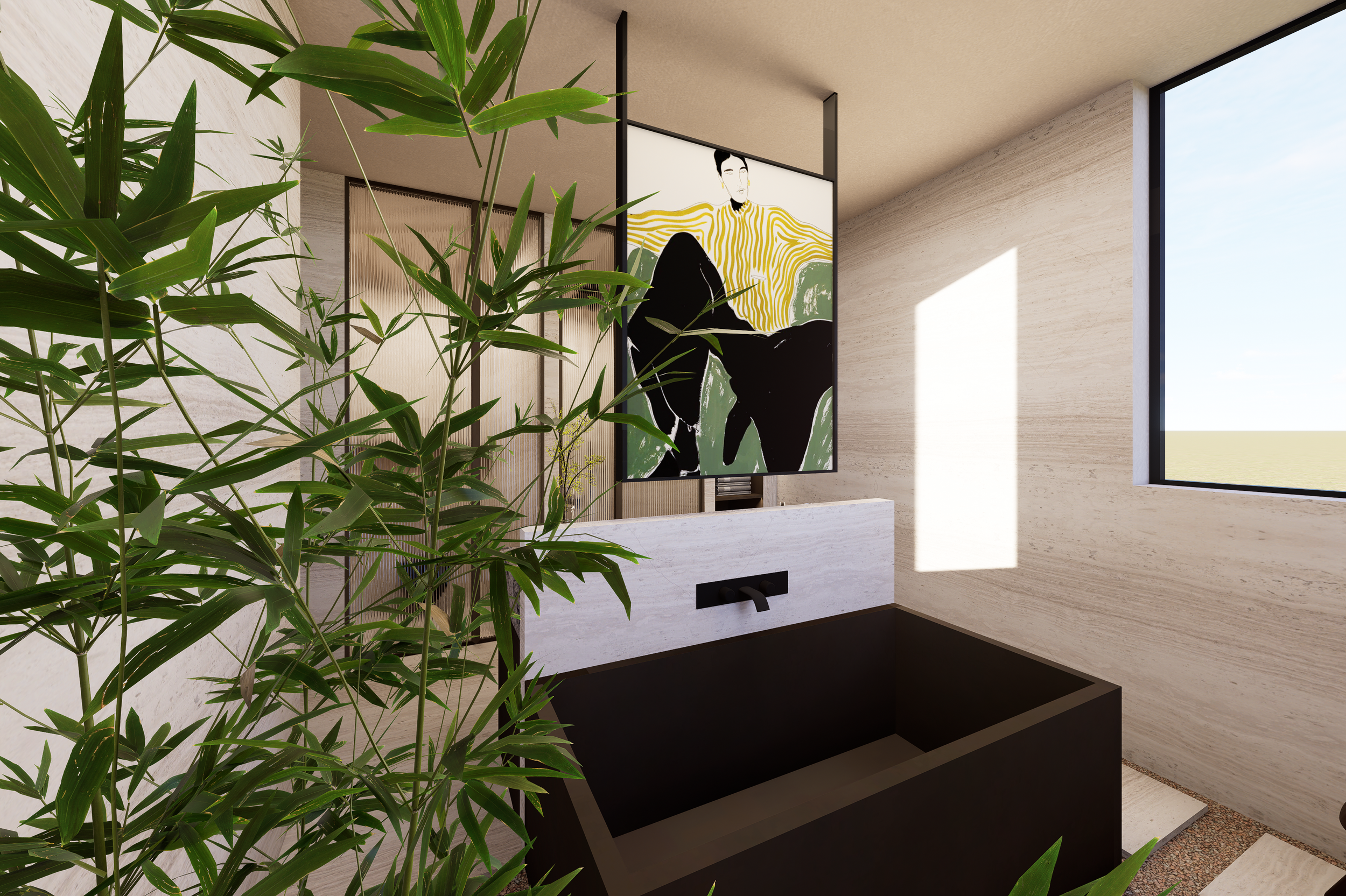
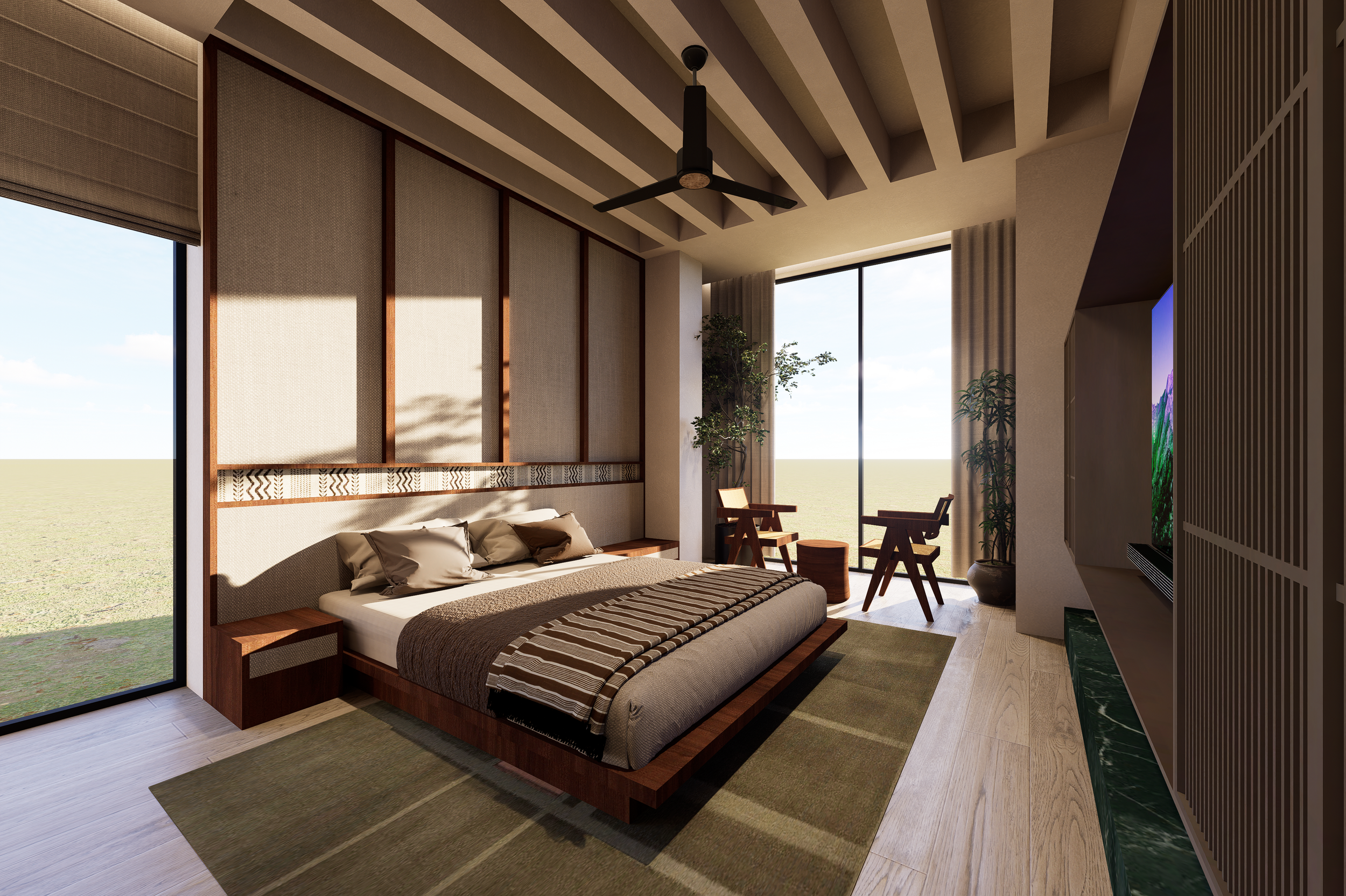
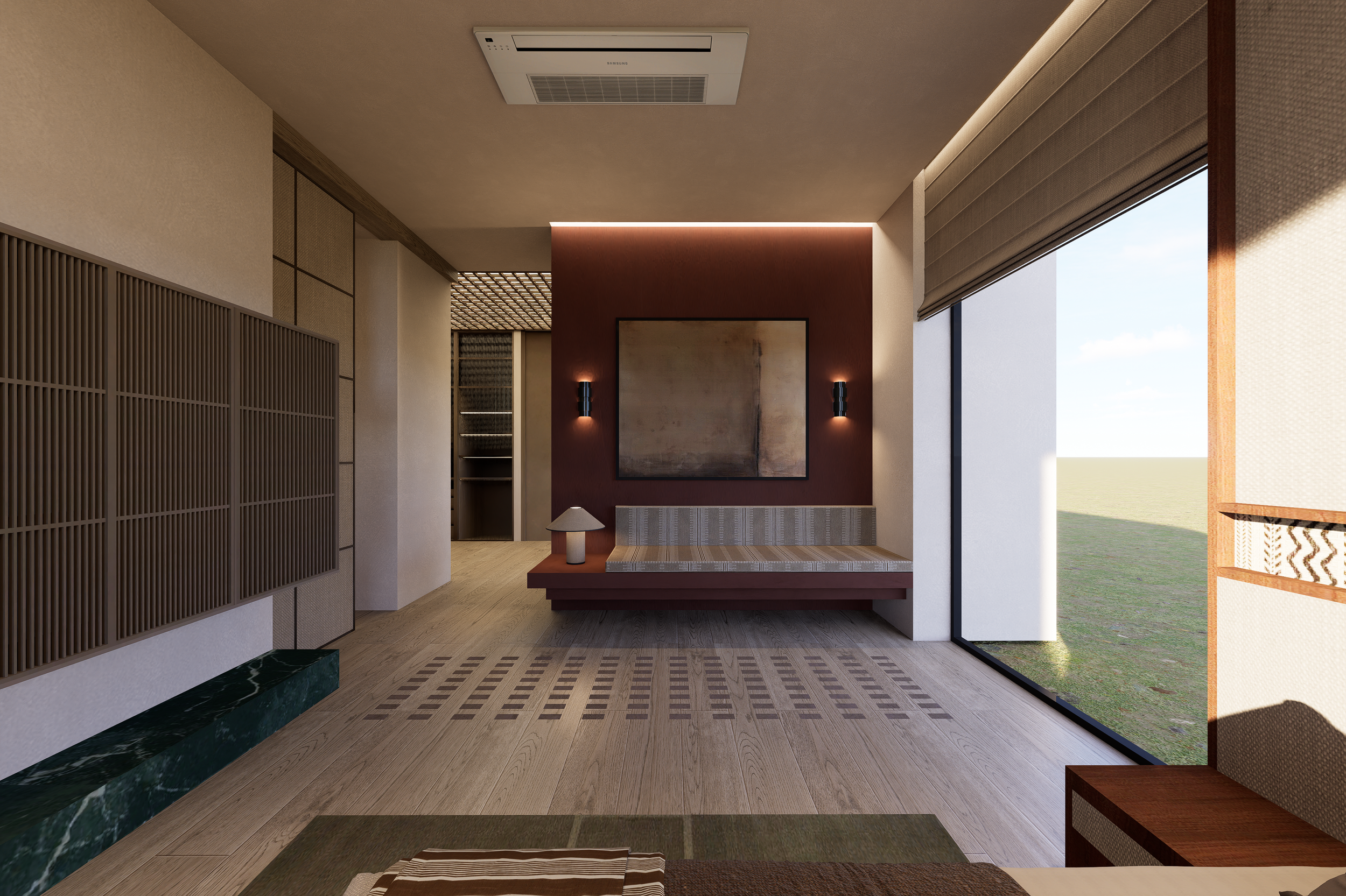
The first architectural move was to stabilise the private realm. The master bedroom was reimagined not as a single room, but as a continuous sequence. By combining two existing bedrooms, the master suite becomes a layered environment consisting of a bedroom, lounge and study, a walk-in wardrobe and a bathroom. These spaces are connected without abrupttransitions. Movement is gradual. Privacy increases as one moves inward. This allows the master suite to function as a self-contained world, separate from the social rhythms of thehome. The material palette deepens. The scale becomes more intimate. Light softens. This establishes a clear contrast between the private and social zones, reinforcing a sense of retreat and composure.
Step Two – Stabilising the Centre
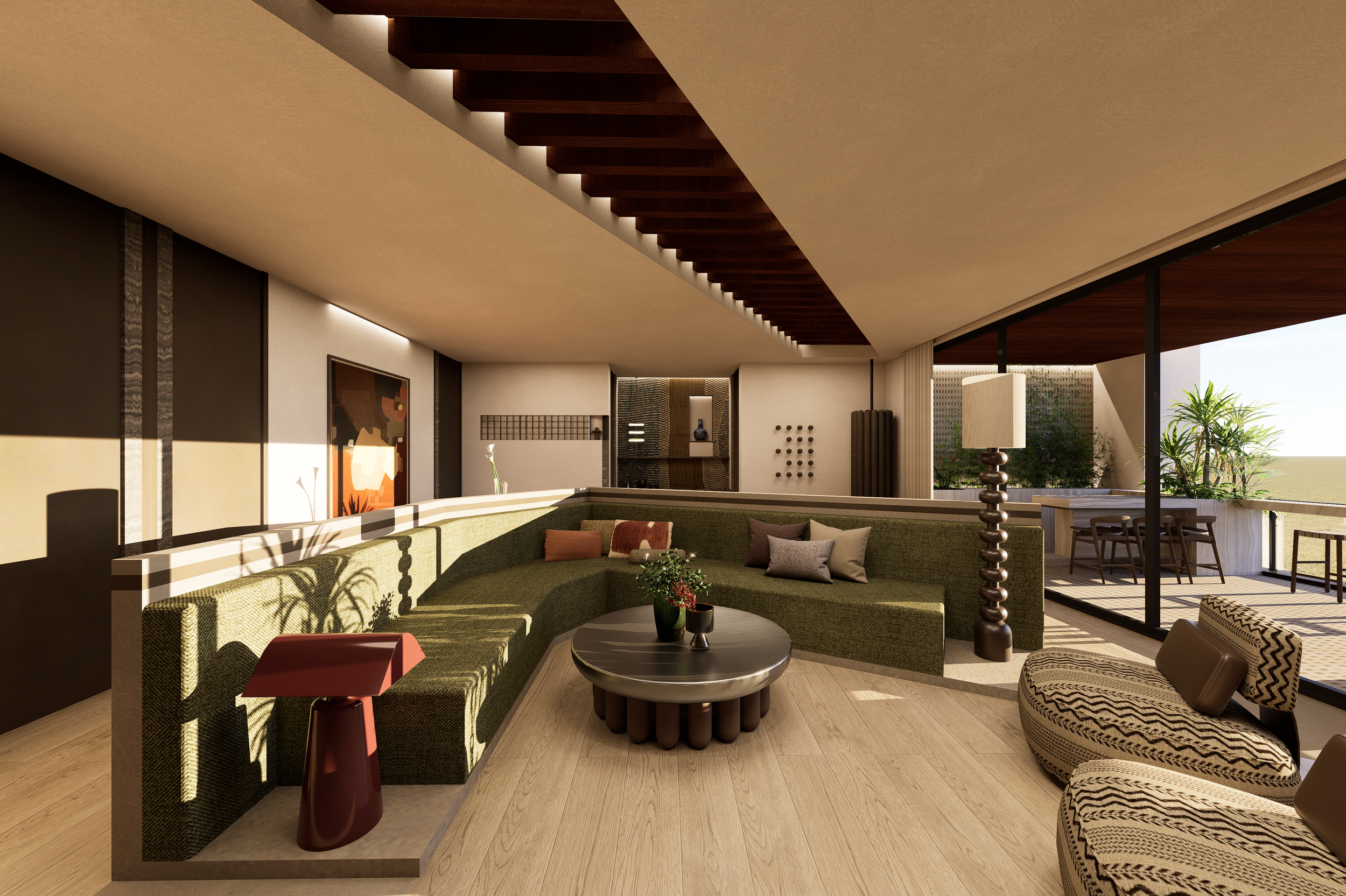
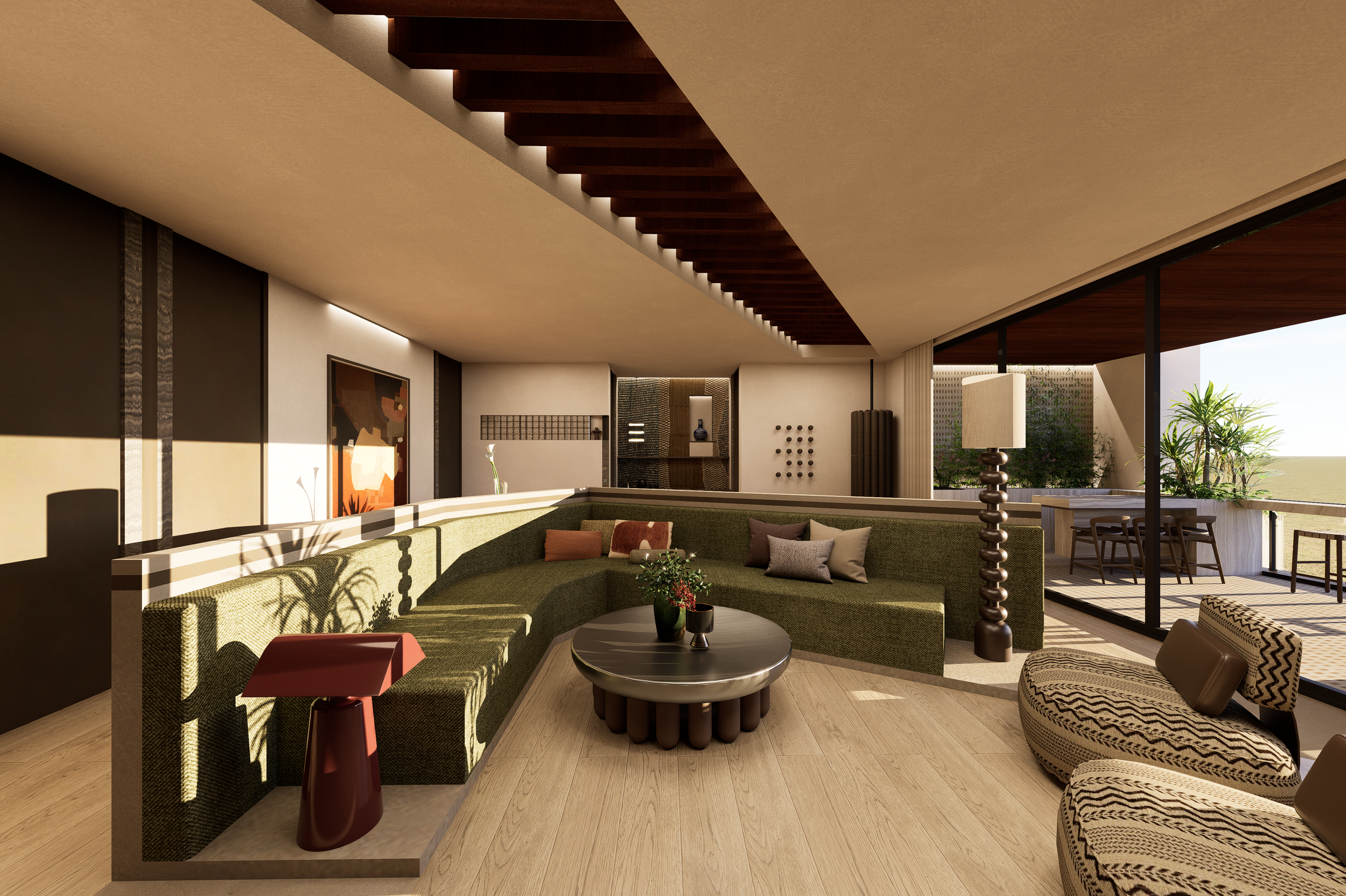
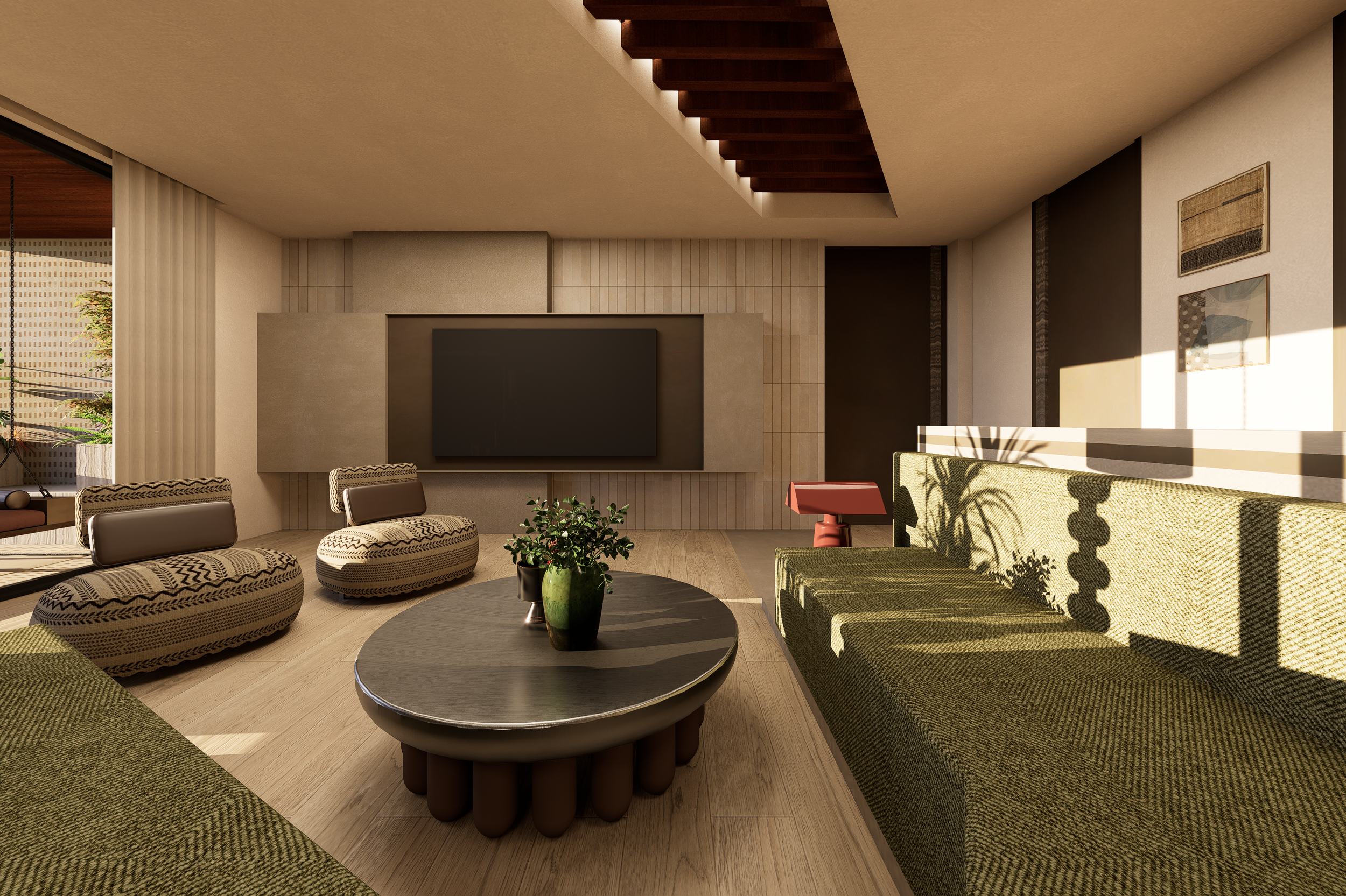
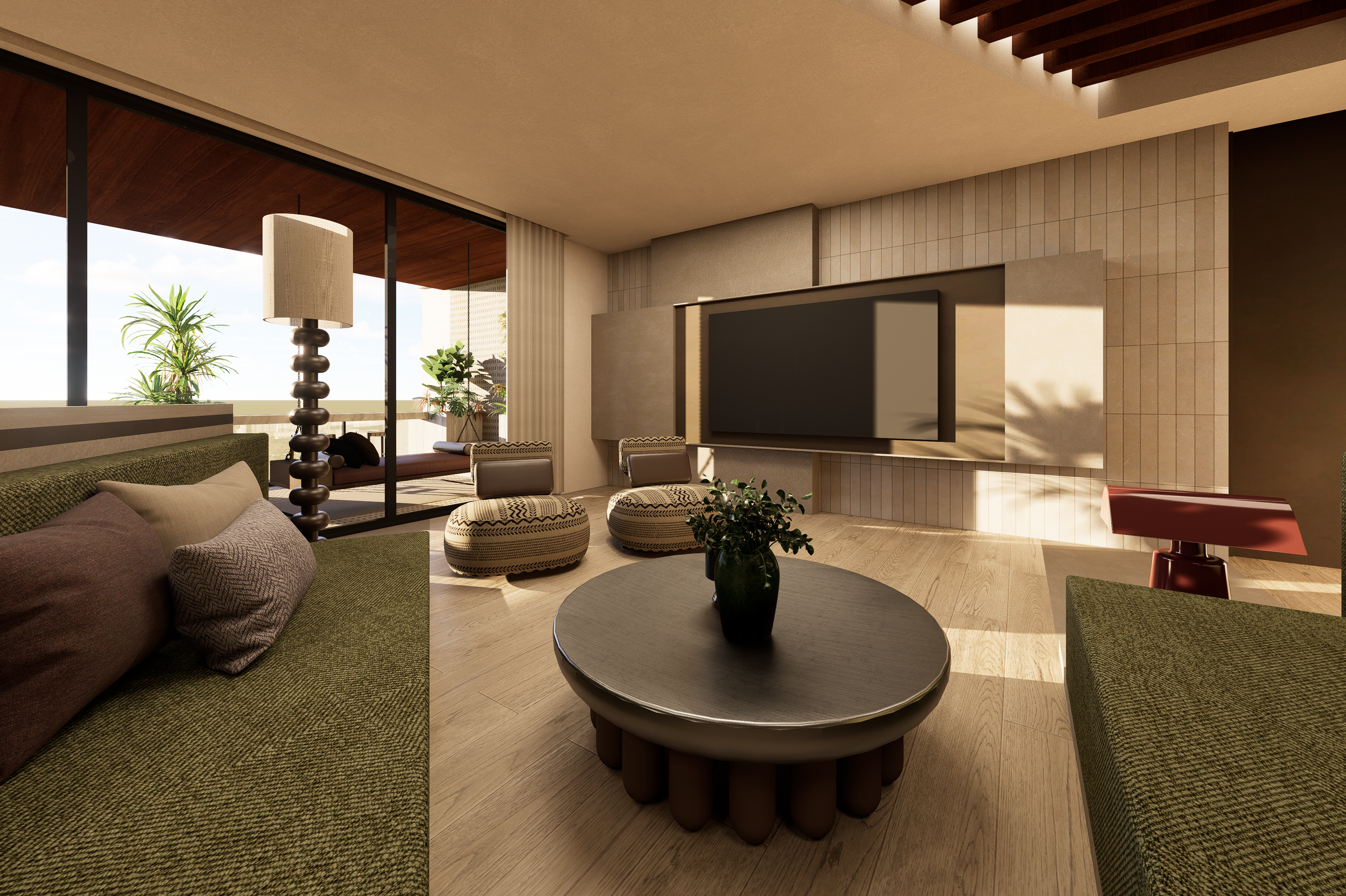
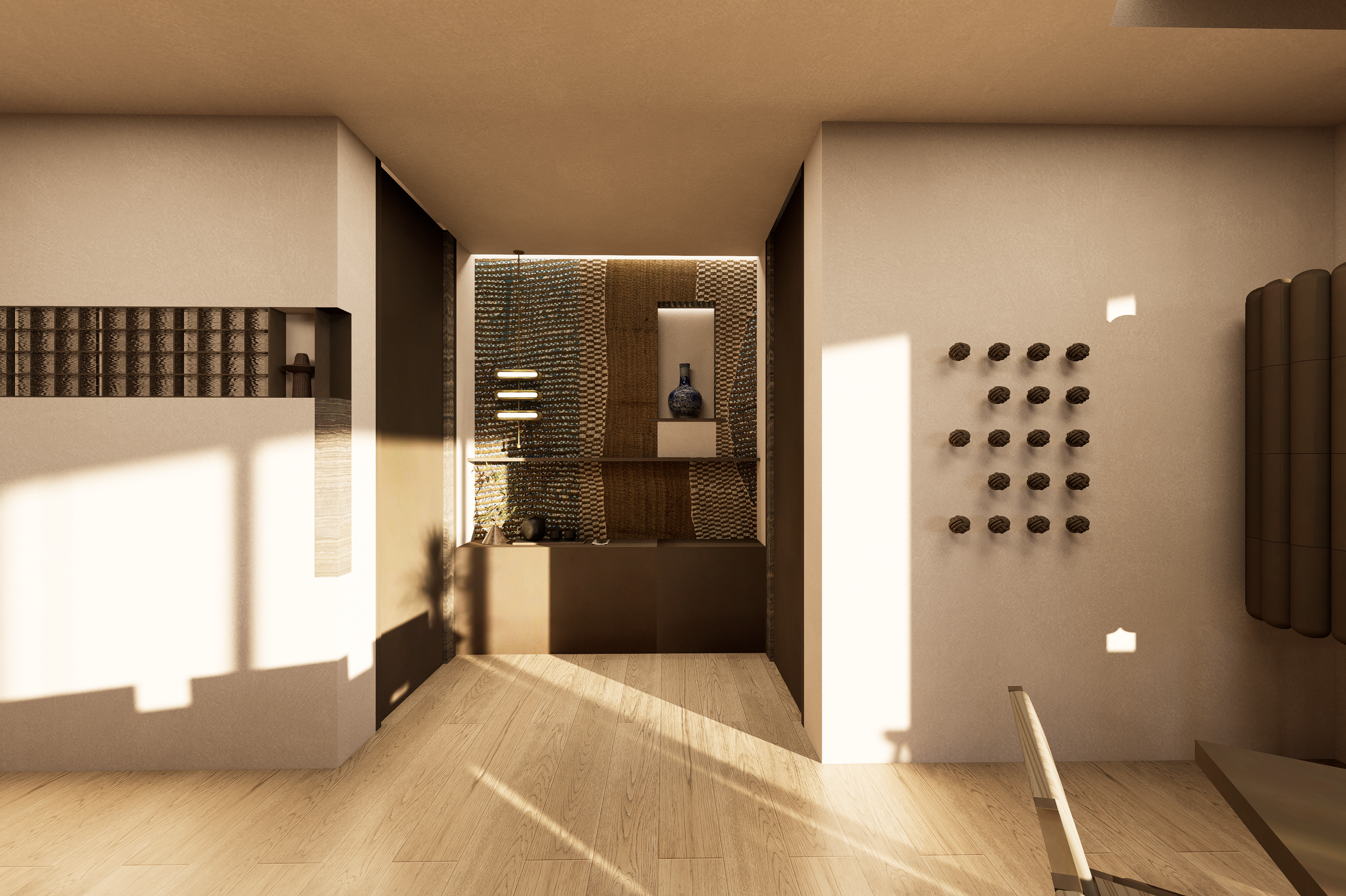
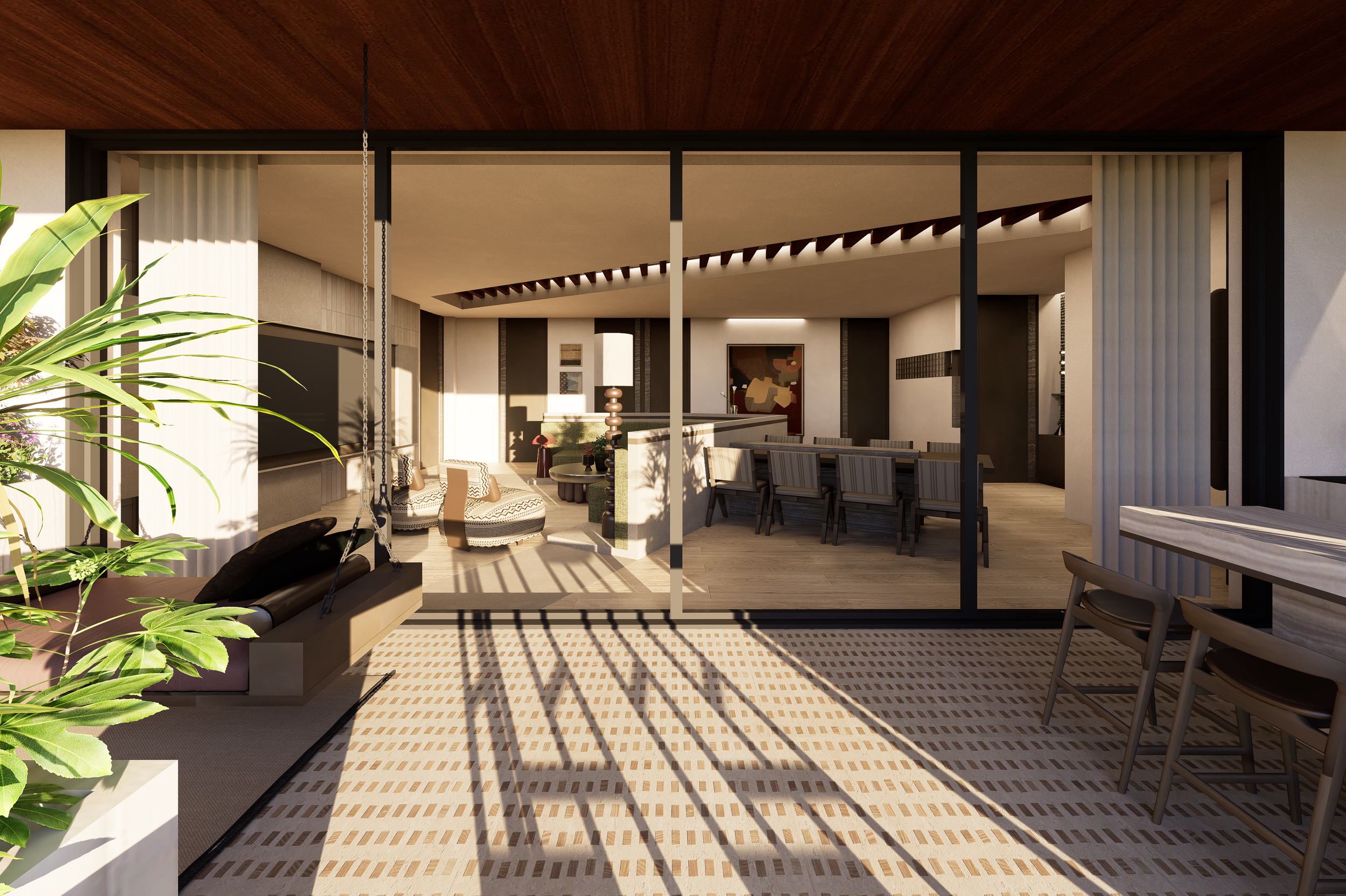
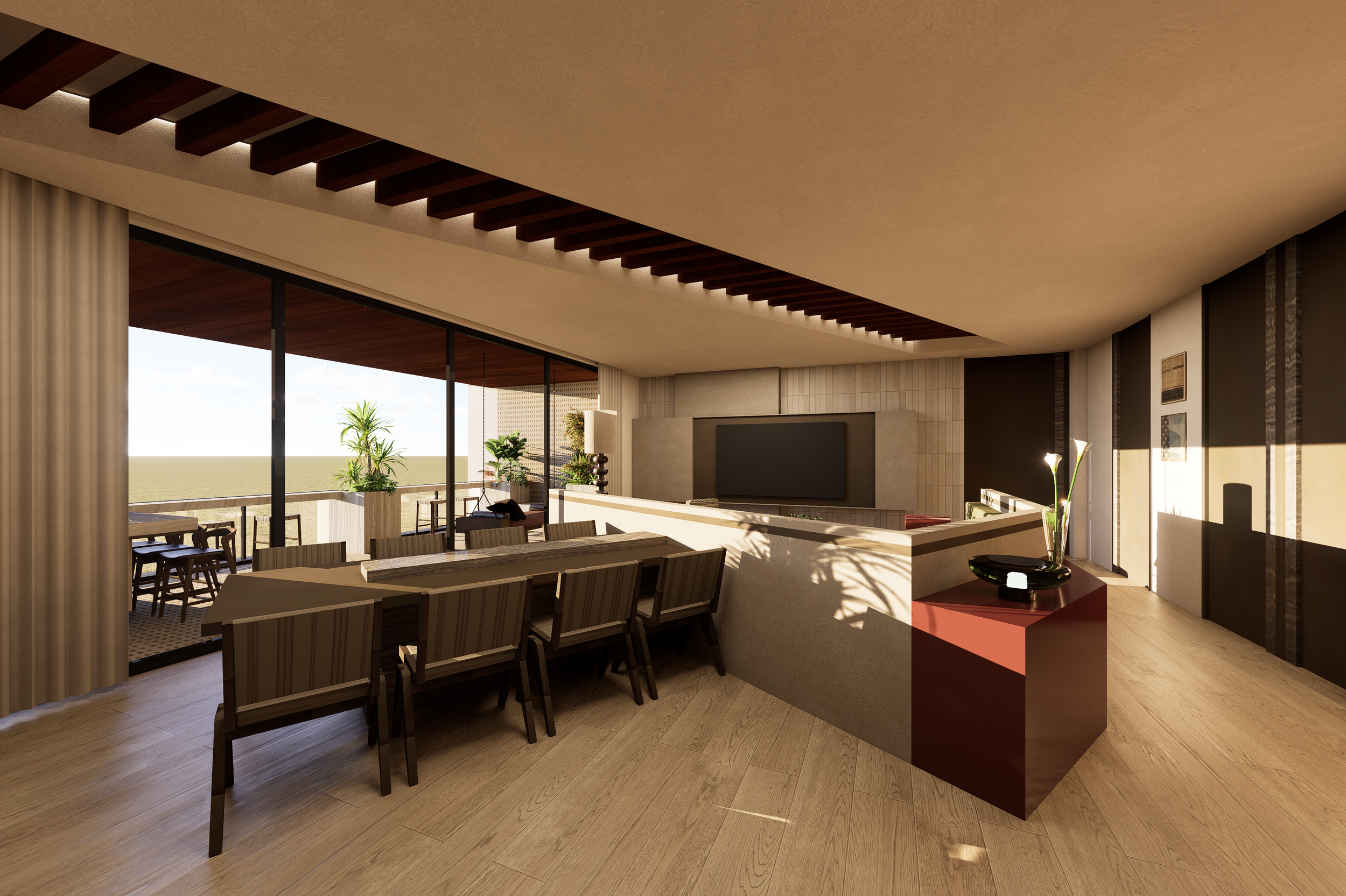
With the private world resolved, focus shifts to the centre of the house. The living, dining and terrace sit at the geometric heart of the apartment. Instead of dividing this zone into enclosed rooms, the design asks how multiple activities can coexist without dissolving into visual chaos. The solution is not walls, but orientation, thickness and mass. An angular partition is introduced as a stabilising element. Rather than acting as a divider, it gives weight and direction to the space. On one side, it anchors the living room with an in-built sofa that feels held and protected. On the other hand, it frames the dining area, allowing generous circulation while maintaining visual clarity. This single architectural move creates order without enclosure. It introduces hierarchy without separation. It allows the centre to feel calm rather than exposed.